
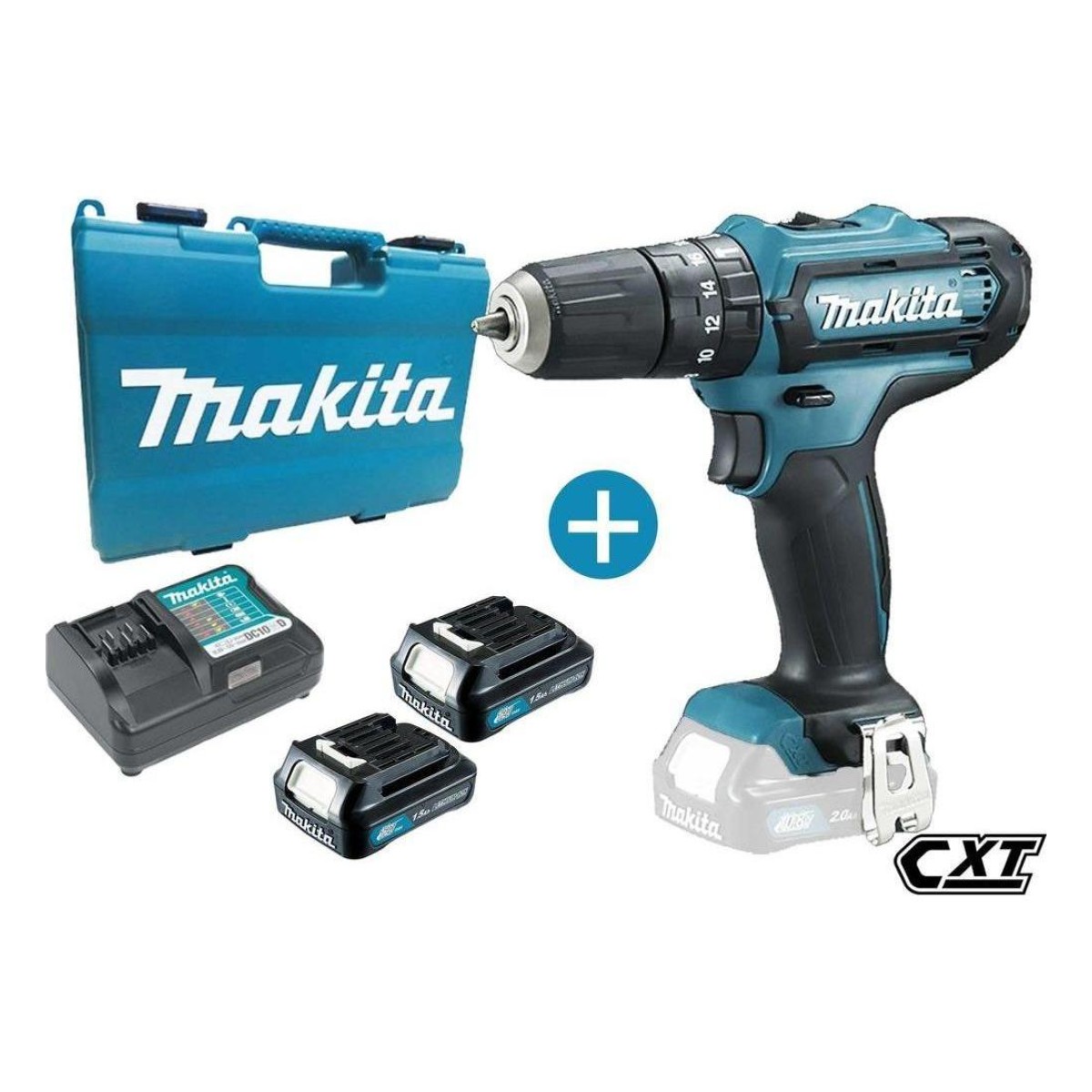
How to Choose the Right Drill for the Job
A drill is the first power tool most people buy, and the one that causes the most regret. Too little power burns out motors on masonry; too much power means paying for capacity you will never use. The right answer depends on three things: what you are drilling into, how often you do it, and whether you need to work away from a socket.
Match the drill to the material
Timber and light metal need torque and control rather than brute force, so a 12V to 18V combi drill with a clutch is plenty. Masonry, brick and concrete need hammer action, and a corded 600W to 800W hammer drill will outlast most cordless models on a long day of anchor setting. For tiles and glass, use a dedicated tile bit at low speed with the hammer action switched off.
Corded or cordless
Cordless wins on convenience: one 18V battery platform can run your drill, grinder and impact driver, and you can work anywhere on site. Corded wins on sustained power and price. If most of your drilling is a handful of holes at a time, go cordless. If you are boring hundreds of holes or mixing mortar all day, keep a corded tool in the van.
Bits matter as much as the drill
A premium drill with a blunt bit is slower than a budget drill with a sharp one. Keep separate sets for timber, metal, masonry and tile, and replace bits as soon as they stop cutting cleanly. For screwdriving, use impact rated bits, because standard bits can shatter in an impact driver.
What we recommend
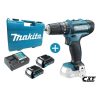
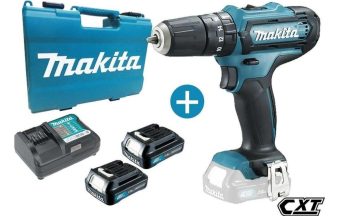
For general trade and DIY work, an 18V brushless combi drill covers most jobs; add a corded hammer drill for masonry and a compact 12V driver for cabinet work. Browse our power tools range to compare models, or ask our counter team which battery platform suits the tools you already own.







Add comment