
Screws and Fixings: What to Use and Where
Most fixing failures are not about the screw being weak. They are about the wrong screw in the wrong material. A drywall screw will snap in masonry, and a masonry anchor will not hold in plasterboard. Before you buy, identify the base material, the load and whether the fixing needs to be removable.
Match the fixing to the base material
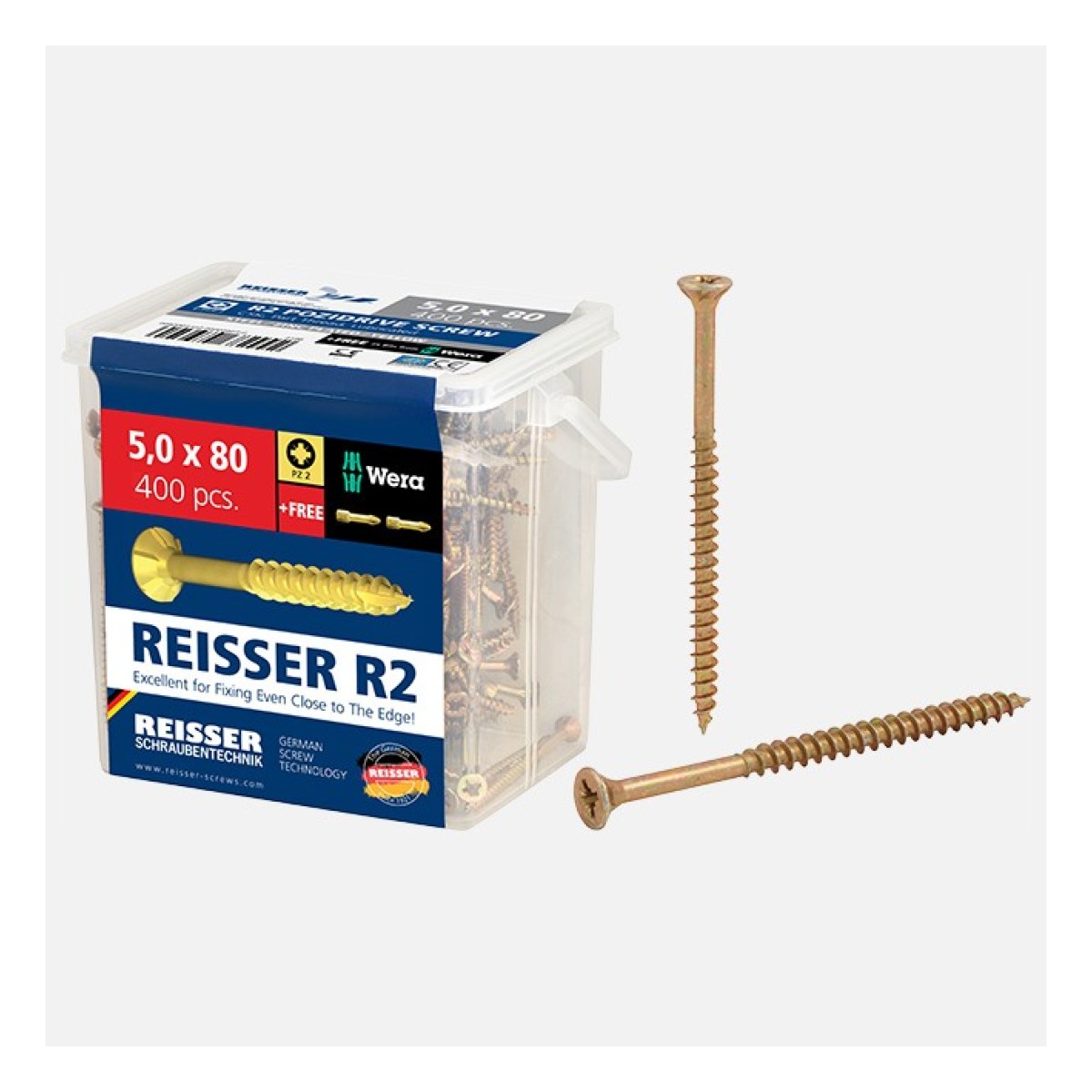
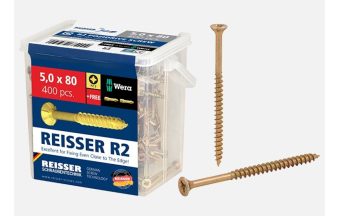
In timber, coarse thread wood screws give the best pull out strength, and coated decking screws resist corrosion outdoors. Pre-drill hardwoods, and always drill a pilot hole near board edges to avoid splitting.
Plasterboard, brick and concrete
For plasterboard, use a dedicated plasterboard anchor; the metal self drill type holds far more than a plastic plug. In brick and block, a nylon plug with the correct drill diameter is usually enough. For concrete soffits and heavy loads, move up to a mechanical anchor or chemical resin.
Length, gauge and head type
As a rule, a screw should penetrate the second timber by roughly 25 to 30 mm. Gauge matters more than length for shear strength. Choose countersunk heads for flush work, pan heads for brackets, and Torx or hex heads when you are driving a large number of fixings with a power tool.
Stainless or zinc plated
Zinc plated screws are fine indoors and in sheltered areas. For fences, decking, bathrooms and anything coastal, use stainless steel or hot dip galvanised to avoid rust bleed and premature failure.
Our fasteners range covers wood screws, drywall screws, anchors and structural fixings in trade packs. If you are unsure of the quantity for a project, send us the drawings and we will work it out.






Add comment